Pure Iron in Practice: What Buyers Actually Receive
From 99.5%–99.9% iron content to what belongs on an inquiry sheet
Pure iron traded industrially is not a pure element but an iron-based material with very low carbon and controlled residuals. This article approaches the topic from procurement practice, covering the actual iron content range, the 0.0218% carbon classification threshold, and the three items every inquiry must specify: grade, delivery condition, and governing standard.
Pure Iron in Practice: What Buyers Actually Receive
When an inquiry says only “pure iron,” suppliers typically respond with “which kind?” That is not evasion—it reflects how little the term conveys in a procurement context. It sets a carbon ceiling and nothing else: no application, no condition, no acceptance criteria. To move the conversation forward, buyers need to know what they are actually receiving.
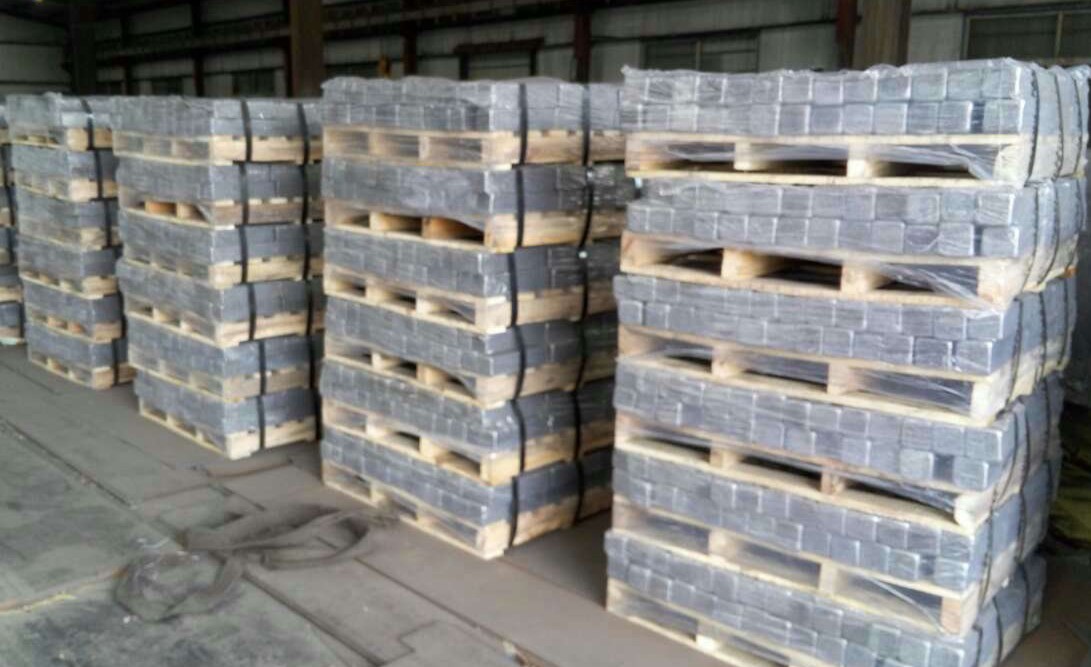
Pure iron traded industrially typically contains 99.5% to 99.9% iron. It is not a chemically pure element but an iron-based material with very low carbon and controlled residuals. The metallurgical threshold is 0.0218% carbon—above that is steel, higher still is pig iron. But that line only determines whether the material is called pure iron; it says nothing about whether it performs well.
Two batches both called pure iron can diverge sharply in performance depending on phosphorus, sulfur, oxygen, and nitrogen. In electromagnetic use, phosphorus degrades magnetic properties, sulfur inclusions impede domain wall motion, and oxygen and nitrogen pin domain walls. High-grade pure iron produced via duplex processes—electric arc furnace or converter plus secondary refining—can reach 0.005% carbon with residuals controlled in parallel. Raw material pure iron follows a different logic: as charge stock for precision alloys, superalloys, and ultra-low-carbon stainless steel, its concern is interference with downstream chemistry. GB/T 9971-2017 requires iron content ≥99.9% and total impurities below 0.2%.
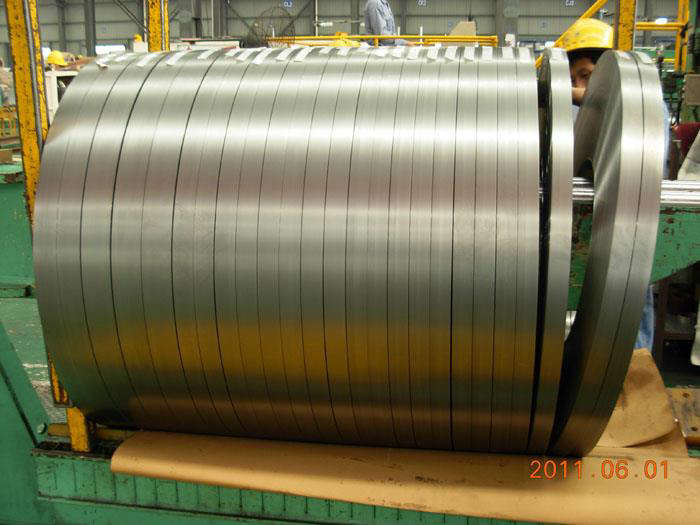
**Grade.** Electromagnetic pure iron follows the DT series—DT4, DT4A, DT4E, DT4C with coercivity limits of 96, 72, 48, and 32 A/m. Raw material pure iron follows the YT series, with YT01 most cited for demanding uses. The two systems are not interchangeable.
**Delivery condition.** Hot-rolled, cold-rolled, and annealed each represent a different starting point for magnetic performance and machining allowance. Electromagnetic pure iron usually requires a magnetic anneal at the user’s end. Omitting condition from an inquiry means accepting the supplier’s default shipping practice.
**Governing standard.** GB/T 6983-2022 for electromagnetic pure iron; GB/T 9971-2017 for raw material pure iron. Naming the standard in an inquiry is itself a quality signal.

Key Takeaways:
- Actual iron content is 99.5%–99.9%; quality differences lie in residuals, not the word “pure.”
- Electromagnetic and raw material pure iron are separate technical tracks with different grades, standards, and impurity priorities.
- Specifying grade, delivery condition, and governing standard is far more effective than writing “pure iron.”
Next up:
We have clarified what pure iron is. But in actual procurement, suppliers still ask “which kind?” How is industrial pure iron classified, and what does each category serve? Which one should our purchasing actually lean toward? Next week, we sort it out.
